Daily Living Aids for Cerebral Palsy: Helpful Tools for Home and School
Living with Cerebral Palsy can present unique challenges in everyday routines such as eating, communication, movement, and managing busy environments.
While therapy and medical support remain essential, many families find that assistive tools and adaptive products help make everyday activities easier and more accessible.
From visual planning aids to therapy equipment and sensory supports, small changes in the home or classroom can make a big difference for children and adults with cerebral palsy.
Below are several tools that are commonly used to help support independence, organisation, and comfort in daily life.
1. Visual Schedule Boards for Daily Routines
Children with developmental or neurological conditions often benefit from predictable routines.
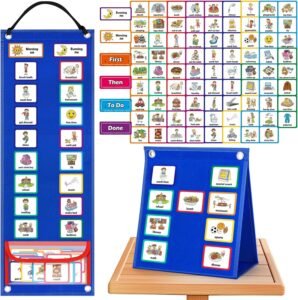
A visual schedule board provides clear visual reminders of daily activities such as getting dressed, brushing teeth, school time, and bedtime. These tools help children understand what is happening next, which can reduce anxiety and improve transitions between activities.
Visual schedules are widely used by teachers, therapists, and parents because they support communication and organisation in a simple, visual way.
Helpful visual schedule boards for daily routines
2. Mini Trampolines for Movement Therapy
Physical therapy is often recommended for children with cerebral palsy to help strengthen muscles and improve balance.
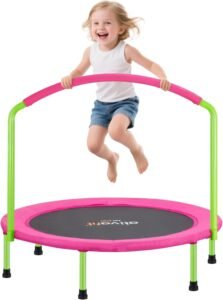
Mini trampolines, sometimes called rebounders, can provide a fun way to encourage controlled movement and exercise. Gentle bouncing can help activate muscles in the legs and core while also supporting coordination and balance.
Many families include trampolines in home therapy routines because they combine exercise with play.
Mini trampolines for movement and coordination
3. Adaptive Utensils for Easier Mealtimes
Mealtime independence is an important part of daily living skills. However, limited grip strength or coordination can sometimes make holding standard cutlery difficult.
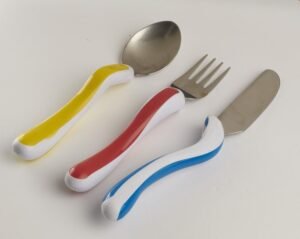
Adaptive utensils are designed with larger or specially shaped handles that are easier to grip and control. These tools can help individuals hold forks or spoons more comfortably and improve independence during meals.
For many families, adaptive utensils are one of the simplest changes that can make a meaningful difference in everyday life.
Adaptive utensils designed for easier gripping
4. Noise Reduction Headphones for Sensory Comfort
Busy environments such as classrooms, shopping centres, or large family gatherings can sometimes feel overwhelming due to noise levels.
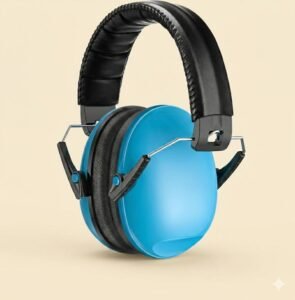
Noise reduction headphones help reduce background sounds, creating a calmer and more comfortable environment. These headphones are frequently used by children with neurological conditions to support focus, relaxation, and sensory regulation.
They can be particularly helpful during travel, homework time, or when visiting crowded places.
Noise reduction headphones for sensory support
Creating a Supportive Environment at Home
Families often find that combining different types of supportive tools creates a more accessible and comfortable environment for children with cerebral palsy.
For example:
- visual schedules support structure and routine
- adaptive utensils encourage independence during meals
- movement therapy tools support physical development
- sensory supports help regulate overwhelming environments
Every child is different, so the most helpful tools will vary depending on individual needs, abilities, and therapy recommendations.
Supporting Independence Through Small Changes
Assistive products cannot replace therapy or professional care, but they can support daily routines and help children build confidence in their abilities.
Many families discover that even small adjustments—such as adding visual reminders or adaptive tools—can improve participation in everyday activities.
By combining therapy, supportive environments, and practical tools, individuals with cerebral palsy can continue developing skills that support independence and wellbeing.
Final Thoughts
Raising awareness about Cerebral Palsy includes sharing practical ways families can support everyday life.
From adaptive eating tools to therapy equipment and visual supports, the right resources can help make daily routines easier and more accessible.
Exploring different tools and strategies allows families to find solutions that work best for their child’s unique strengths and needs.