Cerebral Palsy Awareness Month: Helpful Tools That Support Everyday Life
March is recognised as Cerebral Palsy Awareness Month, a time dedicated to spreading understanding and support for individuals living with cerebral palsy.
Cerebral palsy affects movement, muscle coordination, posture, and sometimes communication. Because every person with CP experiences the condition differently, many families use a variety of supportive tools to help make daily activities easier and more accessible.
From communication devices to therapy tools and adaptive aids, the right products can support independence, comfort, and confidence.
Below are several helpful tools that families, caregivers, and therapists often use when supporting individuals with cerebral palsy.
1. Books That Promote Understanding and Confidence
Books can play an important role in helping children understand their abilities and build confidence.
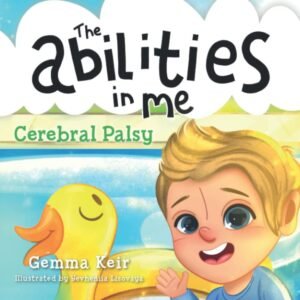
The book The Abilities in Me: Cerebral Palsy introduces young readers to cerebral palsy in a positive and empowering way. Stories like this can help children feel represented while also teaching classmates and siblings about differences and inclusion.
These types of books are often used by parents, teachers, and therapists to start conversations about disability awareness.
Recommended reading for children learning about cerebral palsy
2. Communication Devices for Non-Verbal Individuals
Some individuals with cerebral palsy experience speech challenges. Augmentative and Alternative Communication (AAC) devices can help people communicate needs, feelings, and ideas.
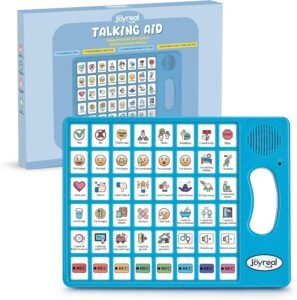
The Joyreal AAC Device for Autism Non‑Verbal Communication Tablet is designed with programmable buttons that allow users to play recorded messages or phrases. These devices can support communication during therapy, at school, or at home.
AAC tools are widely used in speech therapy and can help children develop stronger communication skills over time.
AAC communication tools for speech support
3. Hand Strength and Grip Training Tools
Many people with cerebral palsy benefit from exercises that strengthen hand and finger muscles. Occupational therapists often recommend grip strength activities to help improve fine motor skills.
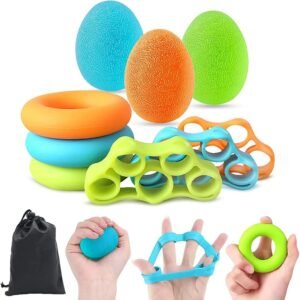
The 9‑Piece Hand Grip Strengthener and Finger Exerciser Set includes several tools such as grip trainers, squeeze balls, and silicone finger exercisers designed to support hand strength training.
These tools can be used during therapy sessions or as part of daily exercises at home.
Hand strengthening tools for therapy and exercise
4. Adaptive Eating Aids
Eating independently can sometimes be challenging for individuals with limited grip strength or hand coordination.
The Grip Silicone Adaptive Aid for Self‑Feeding is designed to help people hold utensils more comfortably. These adaptive grips can make daily activities like eating easier and more manageable for individuals with conditions such as cerebral palsy, arthritis, or muscle weakness.
Small tools like these can make a significant difference in promoting independence during mealtimes.
Adaptive eating aids for improved independence

5. Mobility Assistance Tools
Standing up from a car seat or maintaining balance while exiting a vehicle can be difficult for individuals with mobility challenges.
The Car Handle Assist for Mobility Support provides a sturdy grip that fits into a vehicle door latch, helping individuals safely stand up and exit the car.
Although commonly marketed for older people, mobility aids like this can also benefit individuals with physical disabilities who require extra support during transfers.
Mobility aids that support safe movement

6. Sensory Lighting for Relaxation
Calming environments can help support relaxation and emotional regulation.
The One Fire Night Light Projector with 15 Films projects colourful patterns such as stars, oceans, and animals onto walls and ceilings. These lights can help create a calming sensory environment for children during bedtime routines or quiet time.
Many families incorporate sensory lighting into relaxation spaces or bedtime routines to promote calm and comfort.
Sensory lighting for calming environments

Why Supportive Tools Matter
While therapy and medical support are essential parts of managing cerebral palsy, assistive tools can also play a valuable role in everyday life.
Adaptive equipment can help support:
- communication
- mobility
- fine motor skills
- independence
- emotional regulation
For many families, finding the right combination of supportive tools makes daily routines easier and more enjoyable.
Raising Awareness During Cerebral Palsy Awareness Month
Awareness months like this encourage communities to learn more about cerebral palsy and the experiences of people who live with it.
Sharing resources, discussing assistive technologies, and promoting inclusive environments all contribute to greater understanding and support.
With the right tools, therapy, and encouragement, individuals with cerebral palsy can continue to develop skills, independence, and confidence in everyday life.