Best Weighted Sensory Tools for Kids (Lap Pads, Vests, Plushies & Bracelets)
Educational Guide for Sensory Regulation, Focus & Calm (2026)
Weighted sensory tools like blankets are well known — but not every child likes blankets or only needs calming at bedtime. During the day, kids often benefit from portable, wearable, or activity‑based sensory options like weighted lap pads, vests, plush toys, and even weighted bracelets.
This guide explains how these tools work, how to choose them safely.
This post contains affiliate links. We will earn a small commission if you purchase through these links at no extra cost to yourself
What Are Weighted Sensory Tools & Why They Work
Weighted sensory tools provide deep pressure stimulation (DPS) — a gentle, evenly distributed pressure on the body. DPS is widely used in sensory integration therapy because it:
✔ Activates the parasympathetic nervous system (calming response)
✔ Helps children self‑regulate emotions
✔ Supports focus and attention
✔ Can reduce anxiety and restlessness
Research shows deep pressure can boost relaxation and help children transition between tasks or settle into focused activities. Weighted tools are not a cure, but they are evidence‑based support tools used by occupational therapists in sensory diets.
(Example sources: NHS WSH clinical OT guidelines, American OT Assoc.)
Weighted sensory tools are ideal for children with:
- Autism spectrum disorder
- ADHD
- Sensory processing differences
- Anxiety or overstimulation
Choosing the Right Type of Weighted Tool
Weighted tools come in many forms — and each serves different everyday needs – This practical breakdown helps parents match tools to daily routines — making sensory support achievable and meaningful.
| Tool Type | Best Use | Typical Use Case |
|---|---|---|
| Lap Pads | Seated calm | Classroom, homework, meals |
| Weighted Vests | Wearable pressure | Active kids, public settings |
| Weighted Plush Toys | Tactile comfort | Cuddling, travel, quiet time |
| Weighted Bracelets | Subtle proprioceptive input | School days, desk work |
| Wipe‑Clean Lap Pads | Hygiene focus | School, messy hands |
The general rule of thumb for sensory weight: around 5–10% of body weight — but bracelets and smaller tools don’t follow that exactly. Instead, they give subtle pressure signals to help grounding and focus.
Educational Product Breakdown
1️⃣ Weighted Lap Pads — Everyday Calm
What they are:
Weighted lap pads rest on the lap or legs and provide steady pressure. This can help kids who fidget while seated or struggle to focus during homework, class, or meals.
Why they help:
Lap pads provide proprioceptive input — feedback to the brain that helps children stay grounded and regulate energy.
Top Picks –
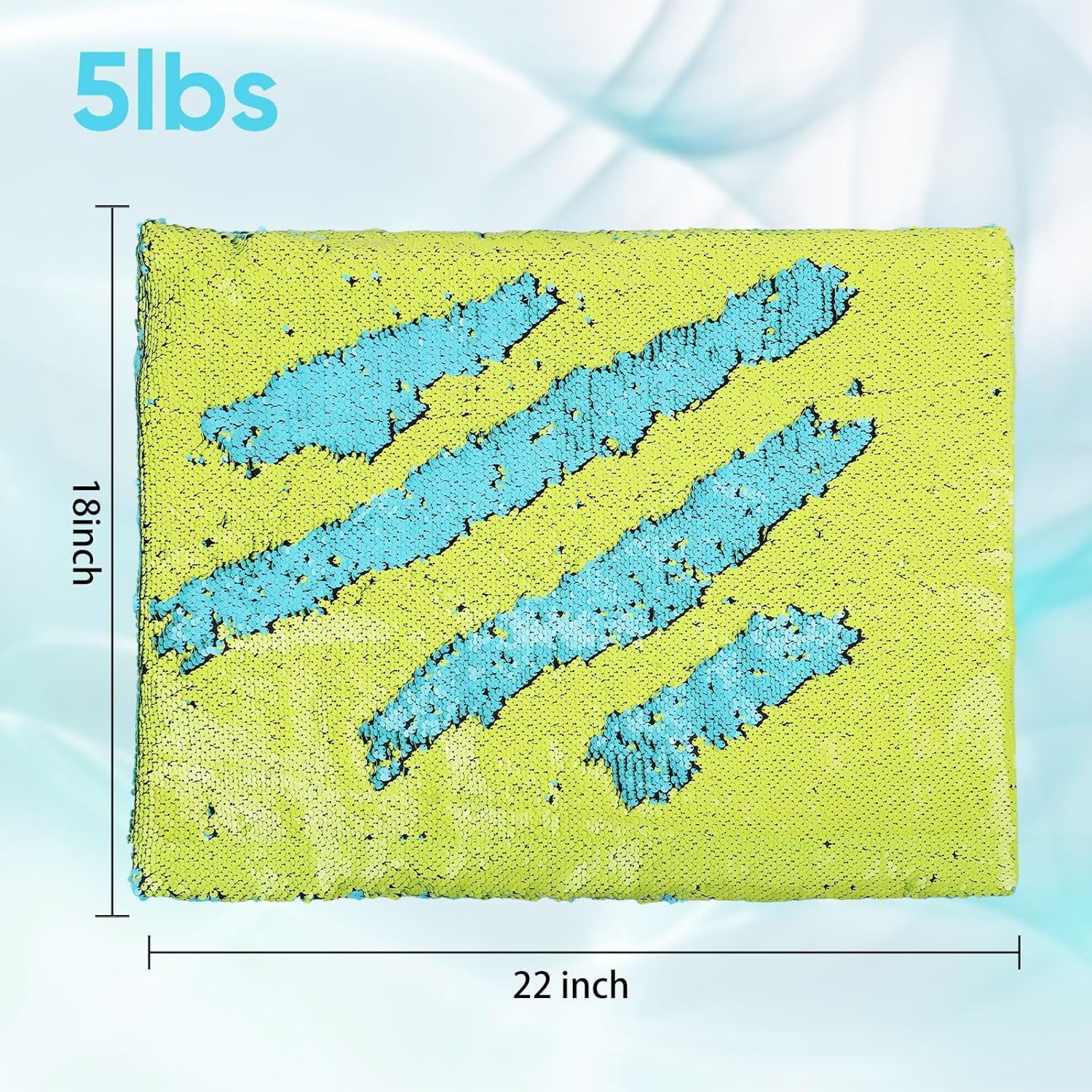
Hugsmiling Weighted Lap Pad – 5 lbs
- Calming Sensory Input
- Engaging Tactile Sequins
- Versatile Everyday Use
- High-Quality Materials
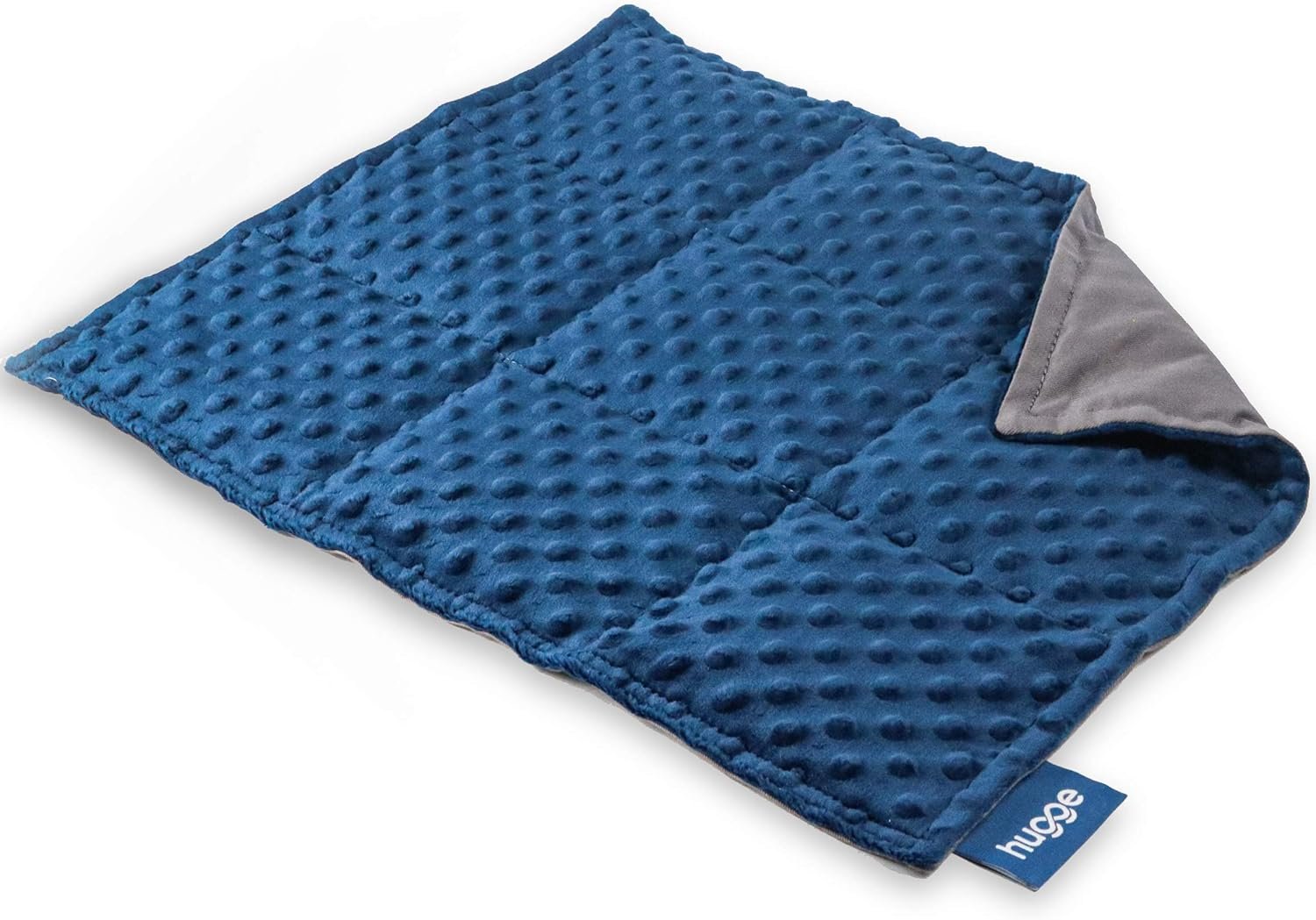
Hugge Education 1 kg Kids Weighted Lap Pad Blanket
- Dual-Use Sizes
- Ideal for Daily Activities
- Calms Anxiety & Fidgeting
- British-Made Quality
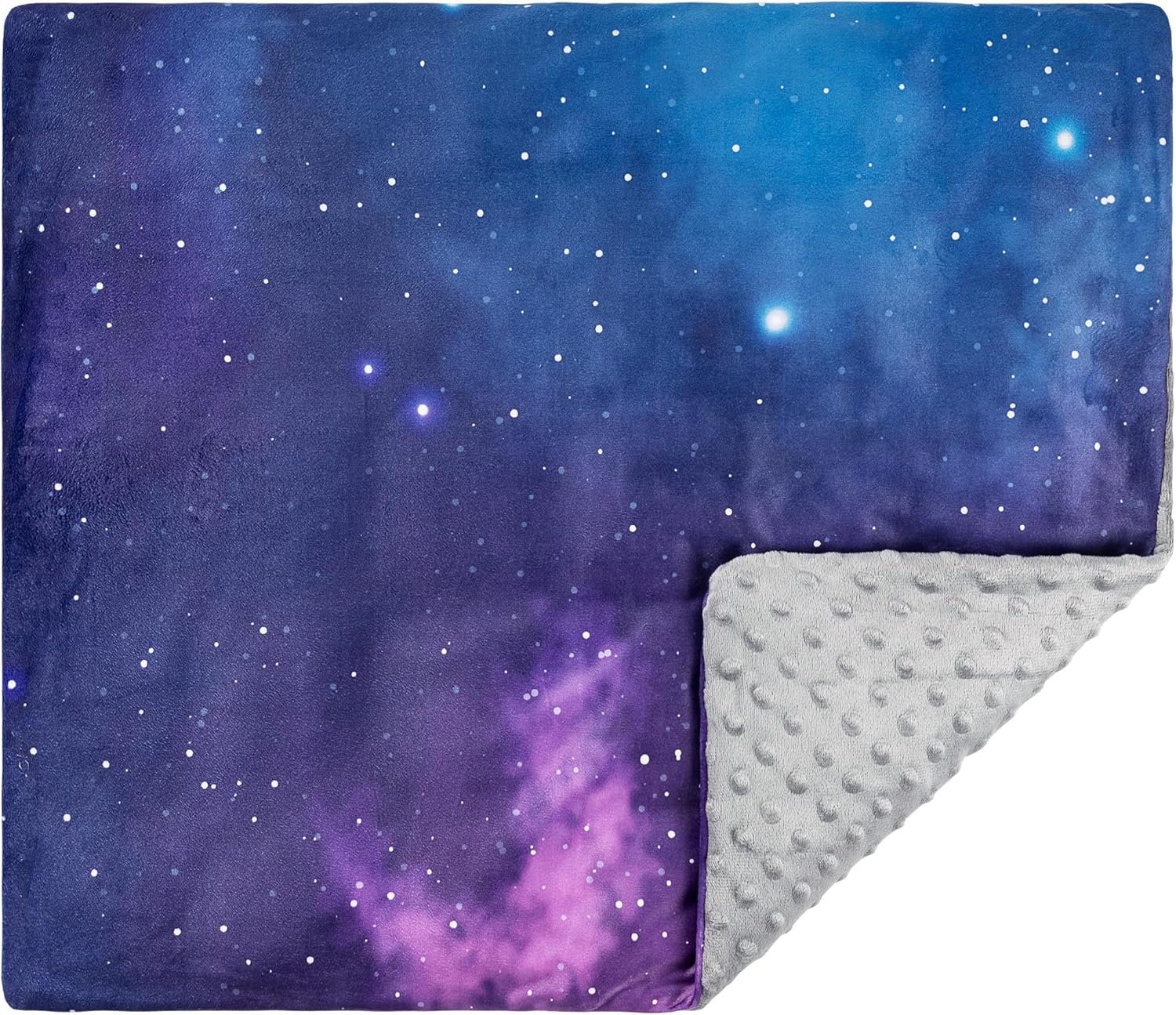
Solfres Lap Pad Throw for Kids – 5 Lbs
- Removable Machine-Washable Cover
- Portable & Travel-Friendly Size
- Even Weight Distribution
Educational Tip:
Lap pads can also be used over shoulders or on the back while seated for added calming effect.
2️⃣ Wearable Weighted Vests — Sensory Input on the Go
What they are:
Weighted vests distribute pressure across the torso — like a soft hug that moves with your child.
Why they help:
They are excellent for children who:
- Dislike blankets
- Need sensory input while playing or walking
- Are overwhelmed in busy environments
Top Pick:
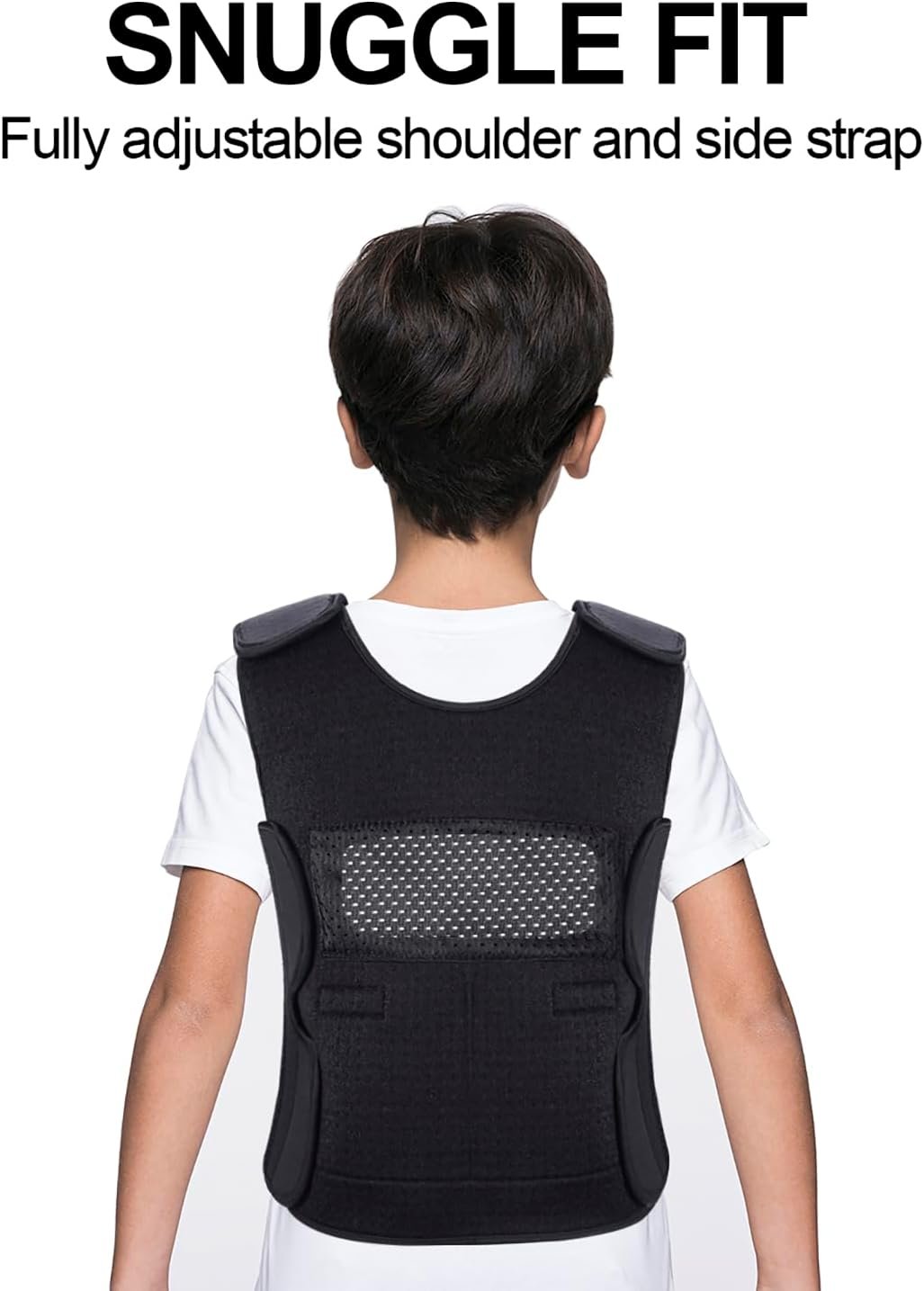
Weighted Vest for Kids – Fully Adjustable Sensory Compression Vest
- Wearable deep pressure input for movement-friendly sensory regulation
- Adjustable fit with removable weight system
- Designed and approved by professionals, suitable for use at home and in the classroom
- Breathable mesh design
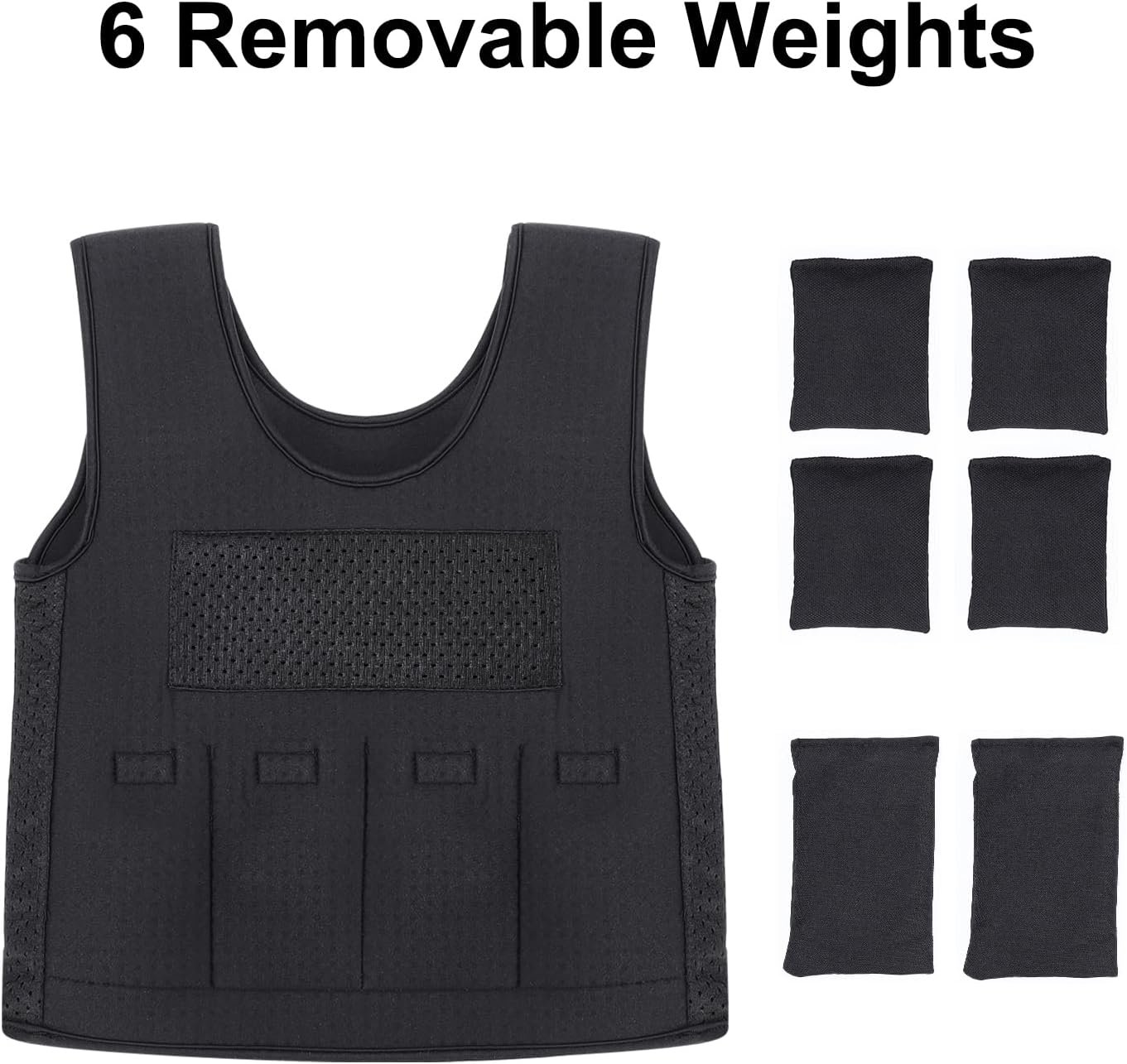
Educational Insight:
Wearing weighted vests during transitions (to school, from class to home) can support children who find change stressful. A weighted vest may be more appropriate than a blanket or lap pad when:
- A child struggles during transitions (school runs, busy shops)
- Regulation is needed during movement, not just seated time
- The child dislikes lap pressure but tolerates torso pressure
- You need sensory support outside the home
A common guideline for weighted sensory tools is 5–10% of body weight, though wearable items should always feel comfortable and never restrictive.
Each tool serves a different function within a child’s sensory routine.
3️⃣ Weighted Plush Toys — Comfort Meets Calming
What they are:
Soft toys with built‑in weighted filling provide deep pressure and tactile comfort.
Why they help:
These are especially great for:
- Bedtime soothing
- Car journeys
- Travel and airports
- Children who love cuddly objects
Top Picks
Mewaii Mom’s Choice Award | Weighted Stuffed Animals Highland Cow, 4lbs
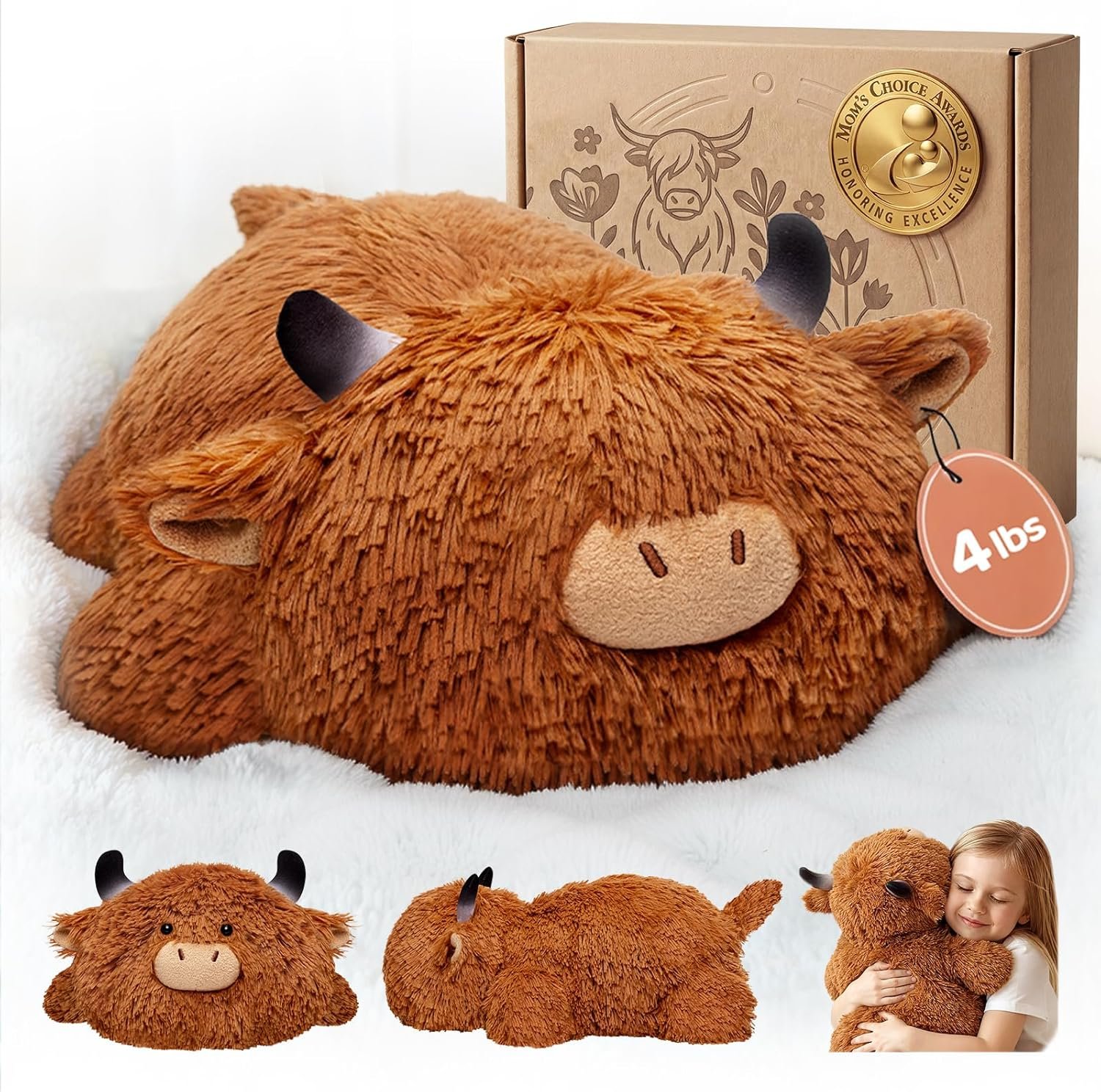
Hug-A-Lumps 1.5kg Weighted Cuddly Squishy 14.5 inch Animal Plush
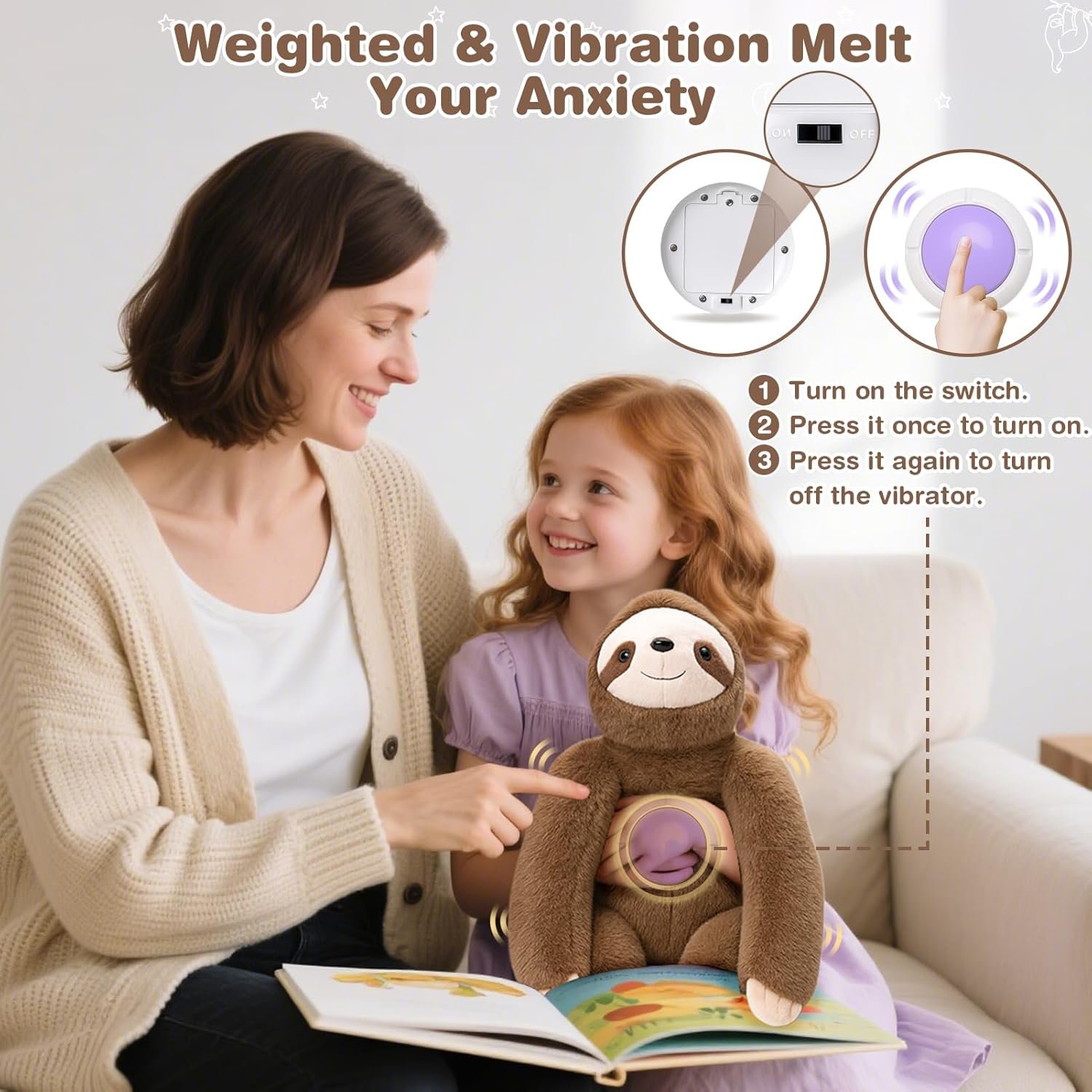
2.3 Kg Dinosaur Weighted Plush – Includes Carrying Bag
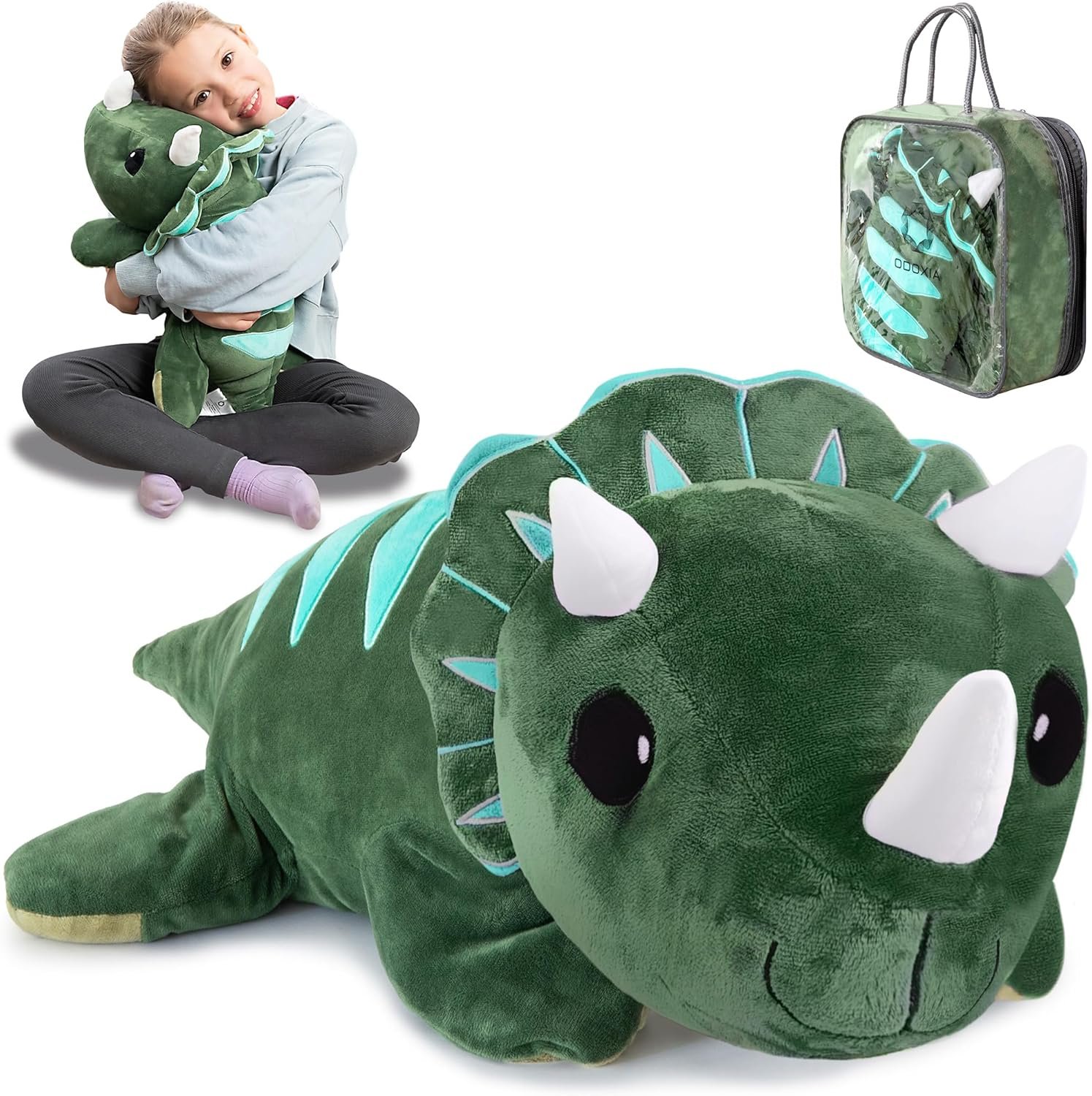
Weighted Lap Dog 2.3kg – Includes Carrying Bag
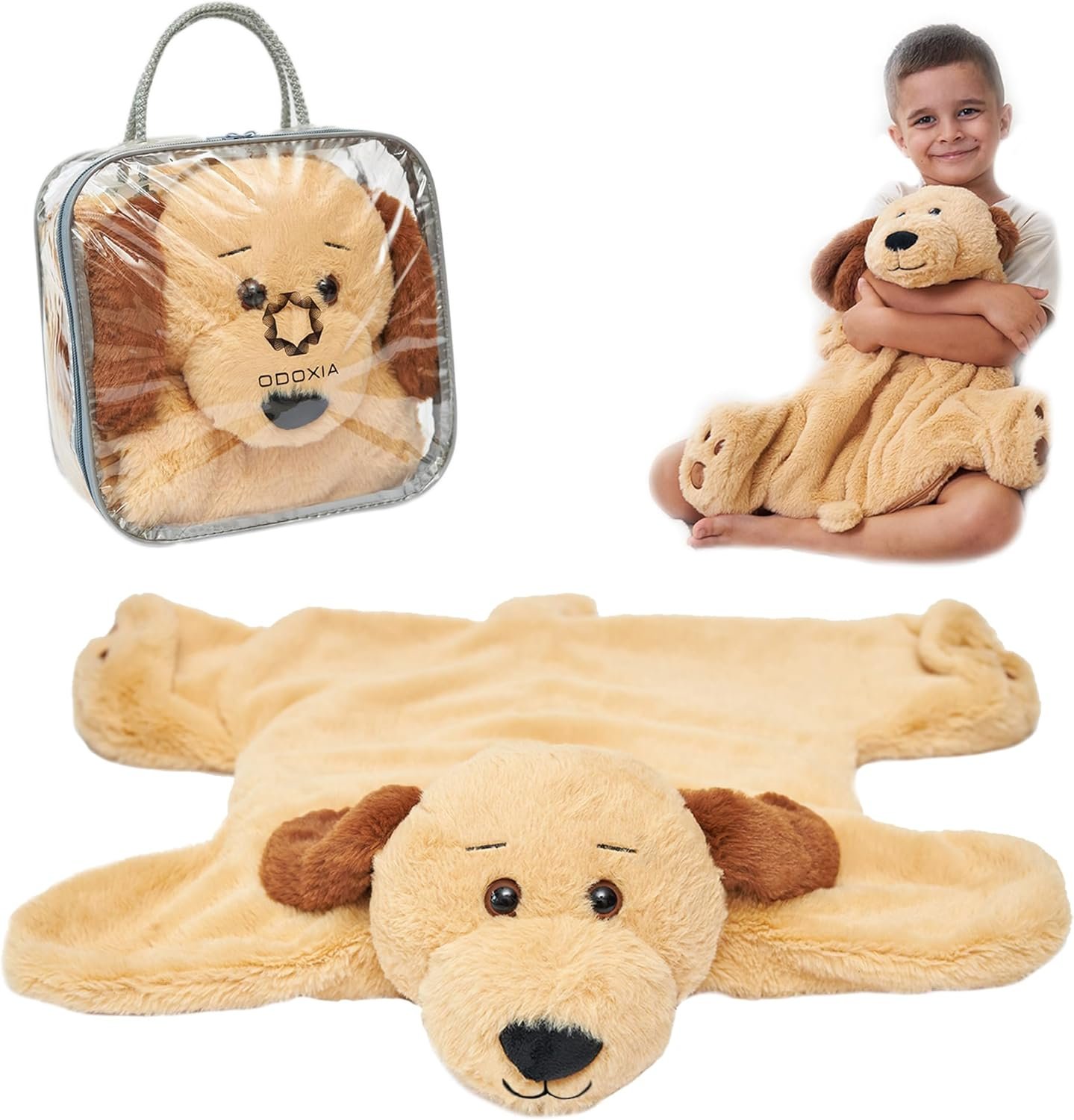
45cm, Weighted Stuffed Plush Pillow
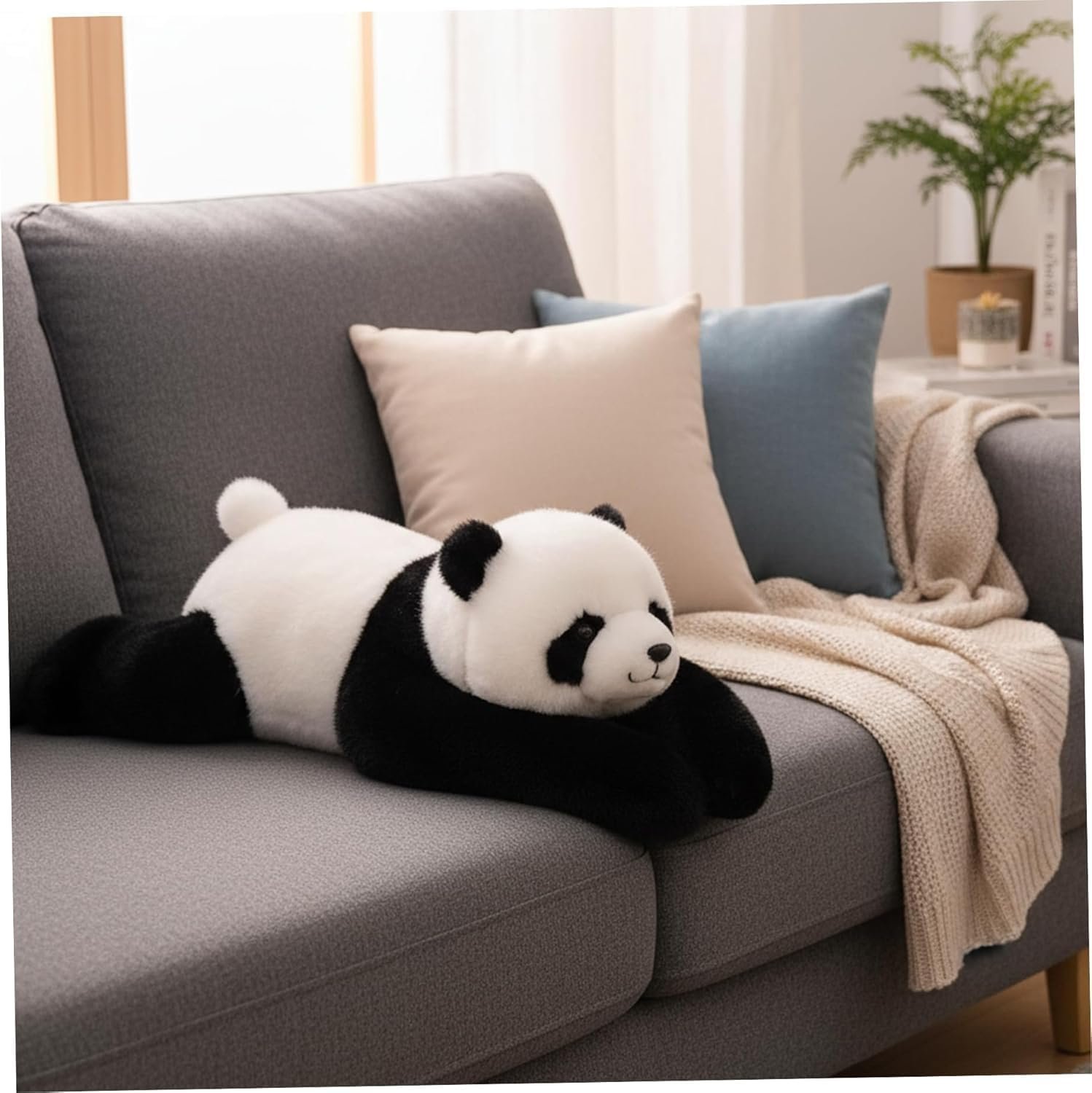
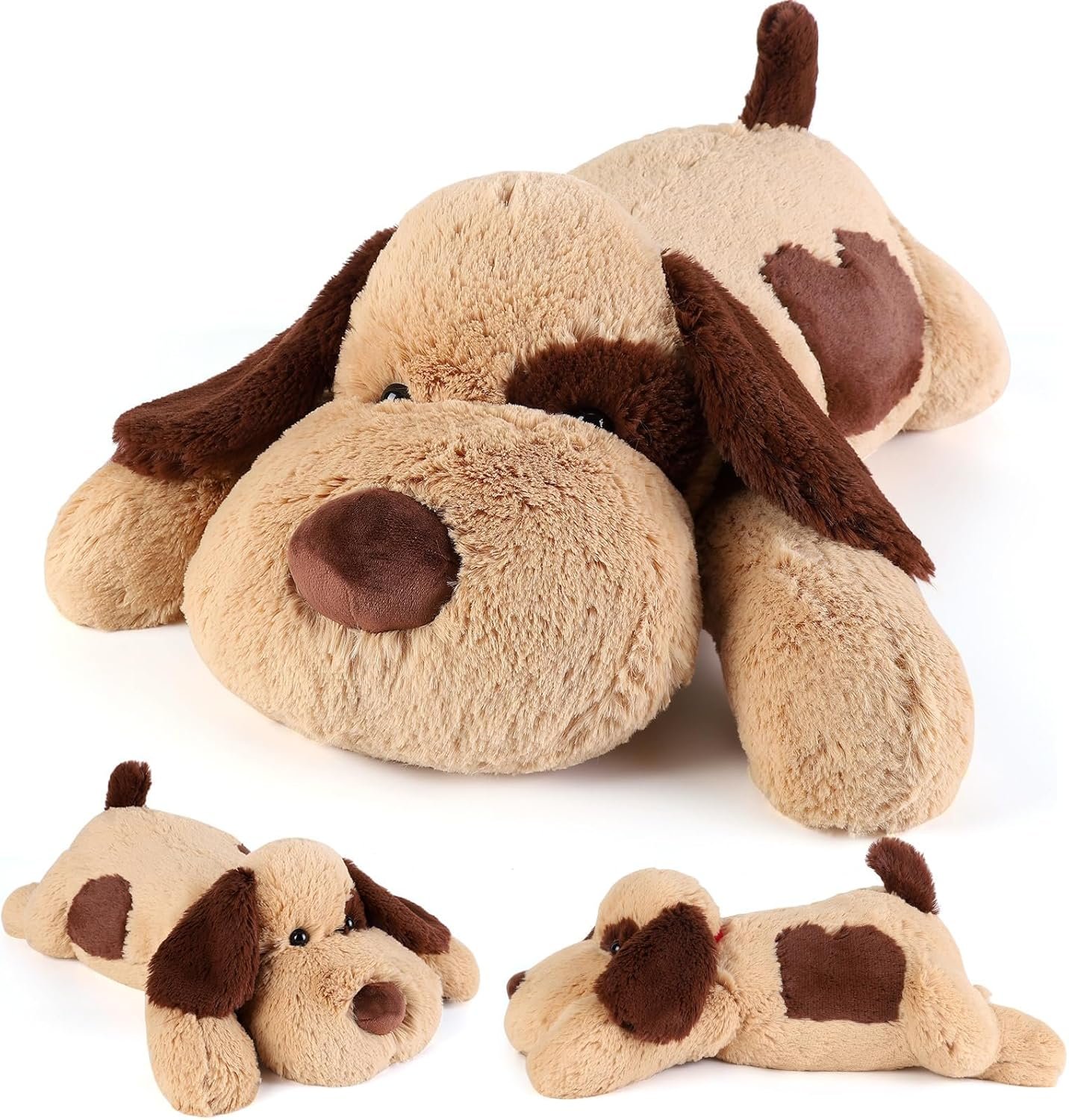
4.5lb Dog Weighted Plush 32in
Educational Tip:
Plush toys can be used as subtle lap weights to provide gentle pressure and deep sensory stimulation during seated activities. This is particularly beneficial for younger children or those who are new to sensory regulation tools, as the softness of a plush toy can feel more comforting and less restrictive compared to heavier weighted items. Plush toys can also be used as lap weights — great for younger children who may not
4️⃣ Shoulder Weights – Muscle Relaxation & Tension Relief Therapy
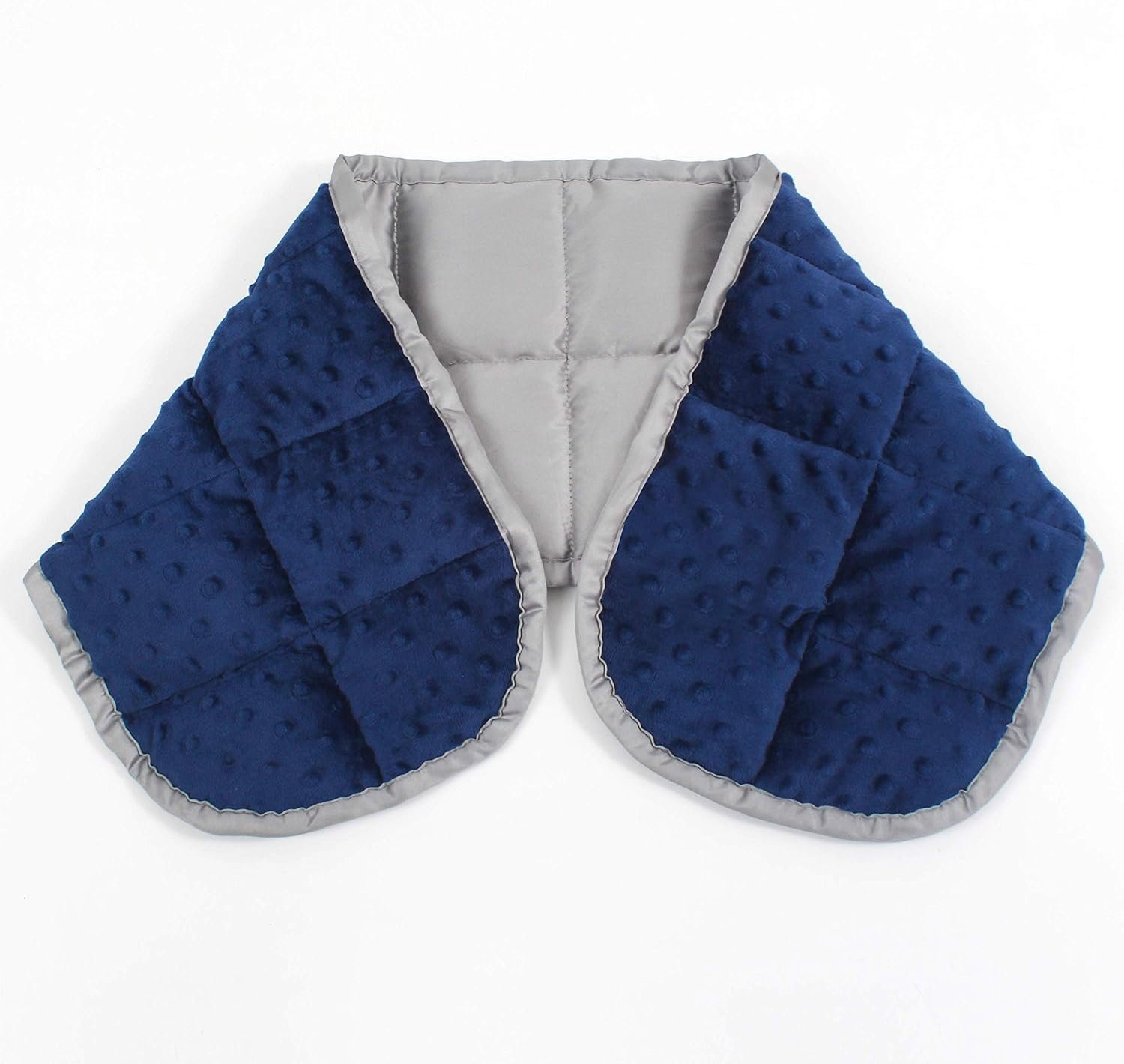
Unlike traditional blankets or lap pads, this small-sized weighted blanket is specifically tailored to provide relief in the upper body, focusing on the neck, shoulders, and upper back — areas that often hold excess tension.
Why they help:
Ideal usage for:
- Relieving Muscle Tension
- Reduces Anxiety and Helps Focus
- Activates the Calming Responce
Sleepymoon Weighted Shoulder Neck Wrap Unscented Weighted Small Blanket with Glass Beads Double Side Soft Fleece and Cool Bamboo Muscle Relaxation and Tension Relief Therapy Navy Blue
Educational Tip:
Avoid using the wrap for extended periods without breaks to allow for movement ensure the wrap is comfortable by monitoring usage. Ensure child can remove themselves and not suitable for children under 3 years of age.
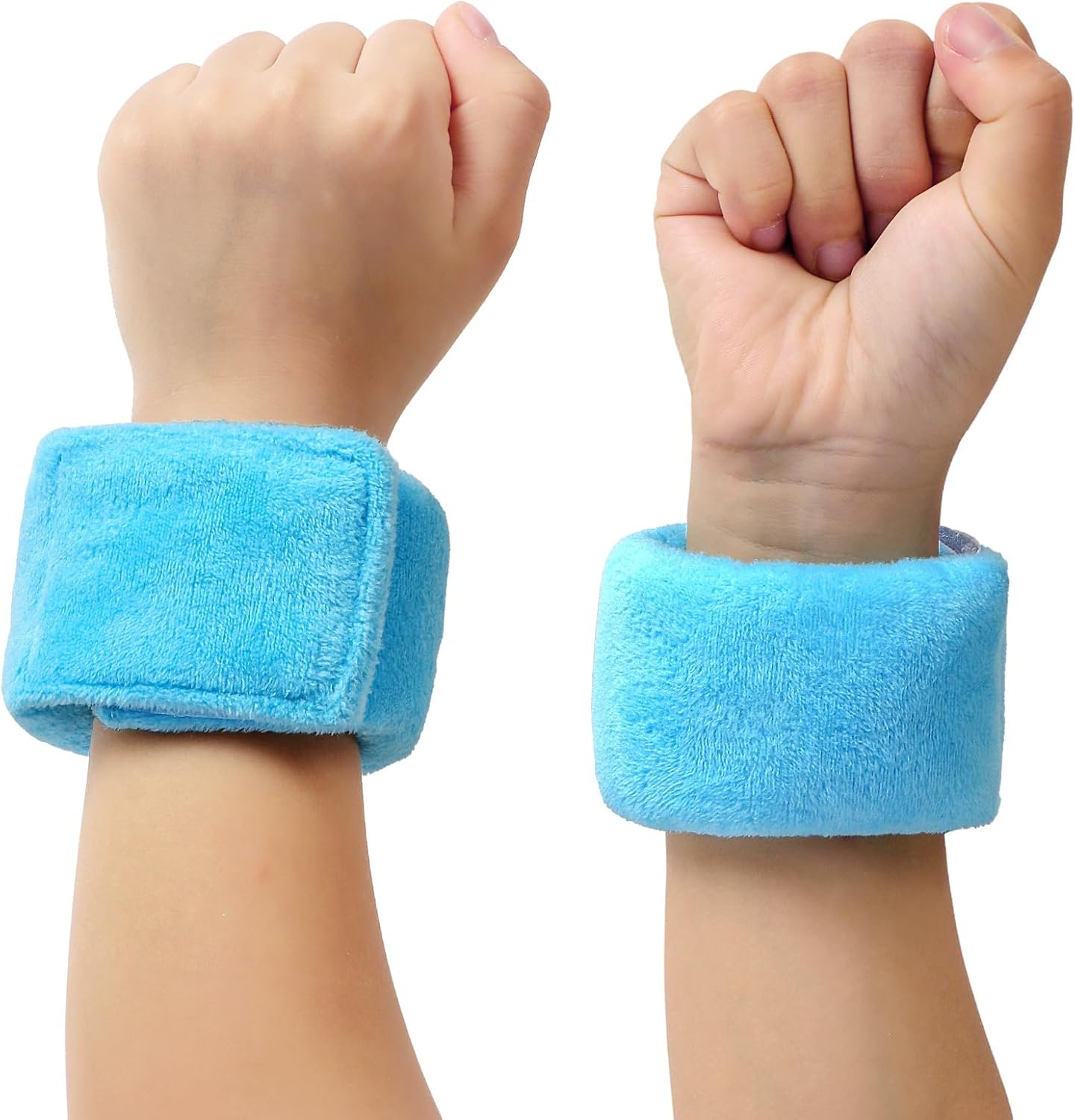
5️⃣ Weighted Bracelets — Subtle Proprioceptive Input
What they are:
Weighted bracelets are worn on wrists during seated tasks (homework, class, reading) to provide gentle pressure stimulation and can act as a fidget aid.
Why they help:
They deliver proprioceptive feedback that:
- Supports focus
- Helps fidgety hands stay still
- Reduces restlessness without being distracting
Our Pick:
Sensory Weighted Bracelets for Kids With Autism ADHD SPD Anxiety Relief, Calming and Focus, Two Pack
Educational Insight:
Bracelets are subtle and unobtrusive — ideal for classroom use where larger tools may be impractical.
Safe Use & Best Practices
Weighted tools are highly effective when used appropriately. Here’s how to make them work well:
✔ Start small: Use tools for 10–20 minutes initially
✔ Child‑led use: Let the child decide when to use/remove the tool
✔ Supervise early use: Especially for wearable items (vests, bracelets)
✔ Appropriate weight: Avoid tools that feel too heavy or uncomfortable
✔ Combine tools: Use lap pads in class and plush toys at bedtime
Pro Tip: Many children use lap pads during learning, vests for transition moments, and plush toys for quiet time or travel — mixing tools improves everyday regulation.
🎯 Final Thoughts
Weighted sensory tools are not one‑size‑fits‑all — but when matched to your child’s needs, they can be powerful tools for self‑regulation, focus, and calm. From lap pads that support sitting still to vests that provide wearable pressure, and bracelets that help restless hands find grounding, you now have a toolkit of evidence‑based Amazon options to explore.
👉 Click here to check out our guide to weighted blankets for autism and sensory processing.
If you have experience with this product or similar therapy aids, feel free to share below. For specific medical advice, please consult a qualified professional.