Sensory Products: A Practical Guide to Supporting Sensory Processing & Emotional Regulation
Sensory products can help in many ways, have you ever seen a child calm almost instantly under a weighted blanket or focus better with a simple fidget tool, you’ll understand just how powerful the right sensory product can be. These are not just “toys.” They are carefully designed supports that help individuals regulate sensory input, improve focus, and feel more in control of their environment.
However as a parent, caregiver, or therapist, understanding how sensory products work can make a meaningful difference.
This post contains affiliate links. We will earn a small commission if you purchase through these links at no extra cost to yoursel
What Are Sensory Products?
Sensory products are tools designed to help individuals who experience sensory processing challenges. This includes many people with
- Autism spectrum condition
- ADHD
- Sensory processing disorder
- Anxiety
- Learning disabilities
- Neurological injury
They work by providing specific types of sensory input — tactile, deep pressure, movement (vestibular), visual, or auditory — to help the nervous system regulate more effectively.
How Sensory Products Support Regulation
Most likely sensory input feels overwhelming, the nervous system can go into fight-or-flight mode. This may look like
- Meltdowns
- Withdrawal
- Difficulty concentrating
- Restlessness
- Emotional dysregulation
The right sensory regulation tools can:
- Provide calming deep pressure
- Improve body awareness
- Increase focus
- Reduce anxiety
- Support transitions
And sometimes, the simplest tools have the biggest impact.
Types of Sensory Products (And Where to Start)
1️⃣ Deep Pressure Tools
Deep pressure tools such as weighted blankets, lap pads, and compression vests provide proprioceptive input — steady, firm pressure to the muscles and joints that helps the body feel grounded and secure.
Proprioception is the body’s awareness of where it is in space. When this system is under- or over-responsive may
- Seem constantly on edge
- Struggle to calm down
- Crash into furniture or people
- Seek tight hugs or squeezing
- Have difficulty sitting still
- Experience emotional outbursts
Deep pressure input can feel organising and regulating for many children because it gives the nervous system clear, consistent feedback.
Many families find that a high-quality weighted blanket can significantly improve sleep and relaxation. You can view a recommended option here.
Alternatively a lap pad would work well for little ones! View Here 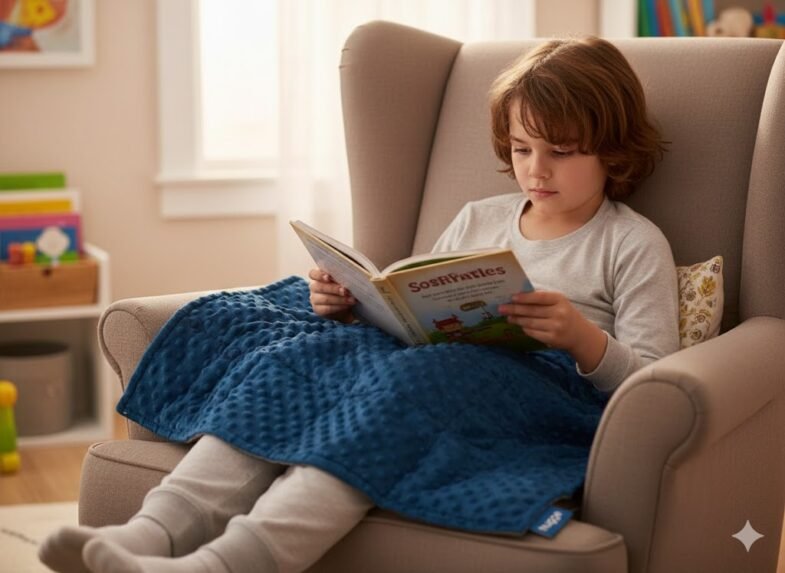
2️⃣ Fidget & Tactile Tools
Fidget and tactile tools provide sensory input through touch and small hand movements. These tools can help children (and adults) who need extra sensory feedback to maintain focus, regulate emotions, or stay engaged during seated tasks.
Many individuals with sensory processing differences, ADHD traits, autism, or anxiety benefit from controlled tactile input. Without it, you might notice:
- Nail biting or skin picking
- Pencil chewing
- Constant tapping or clicking
- Difficulty sitting through lessons/meetings
- Distractibility
- Emotional frustration
Fidget and tactile tools provide a safe, appropriate outlet for those sensory needs.
Click here for simple tool like therapy putty or textured fidget cubes that can provide discreet sensory input in classrooms or at home.
3️⃣ Movement-Based Supports
Options like wobble cushions and balance boards are designed to support those who seek movement (often called sensory seekers) and struggle to stay regulated while sitting still.
Helpful to those with sensory processing differences, ADHD traits, autism, or developmental delays — naturally need more movement to feel focused and calm. When that need isn’t met, it can show up as:

- Constant fidgeting
- Rocking on chairs
- Falling off seats
- Difficulty concentrating
- Disruptive behaviour in classroom or home settings
- Frustration or emotional outbursts
Movement-based supports provide safe, controlled movement without the child having to leave their seat.
View the wobble cushion, can be especially helpful for children who struggle to sit still during learning activities.
Or check out this basic balance board option great for adults.
How to Choose the Right Sensory Product
Not every product works for every individual.
However before purchasing, consider:
- Is the person sensory-seeking or sensory-avoidant?
- Do they respond well to deep pressure?
- Are they overwhelmed by sound or light?
- Have they been assessed by an Occupational Therapist?
Start small. Observe. Adjust.
The goal is not to eliminate behaviours — it’s to support regulation and independence.
Sensory Support at Home, School & Beyond
Sensory tools are not just for therapy sessions.
They can support:
- Homework time
- Bedtime routines
- Travel
- School focus
- Emotional transitions
With the right supports in place, individuals can feel calmer, more confident, and better able to engage with the world around them.
And that’s where meaningful progress happens.
If you have experience with this product or similar therapy aids, feel free to share below. For specific medical advice, please consult a qualified professional.