Sensory Diet Guide: Daily Schedule, Activities & Tools for Kids
A sensory diet is one of the most effective and research-supported strategies for helping children with sensory processing challenges regulate their nervous systems throughout the day.
If your child struggles with meltdowns, constant movement, focus issues, or sensory overload, a structured sensory diet may dramatically improve daily functioning.
This complete guide explains:
- What a sensory diet is
- Why it works
- How to create one
- A sample daily schedule
- The best Amazon tools to support it
This post contains affiliate links. We will earn a small commission if you purchase through these links at no extra cost to yourself
What Is a Sensory Diet?
A sensory diet is a personalized plan of sensory activities designed to provide the input a child’s nervous system needs to stay regulated.
The concept stems from sensory integration theory developed by A. Jean Ayres.
Despite the name, it has nothing to do with food. Instead, it refers to “feeding” the brain the right type of sensory input at the right time.
Unlike reactive strategies used during meltdowns, a sensory diet is proactive.
Why Sensory Diets Work (The Brain Science)
The nervous system has two main branches:
- Sympathetic (fight-or-flight)
- Parasympathetic (rest-and-digest)
Children with sensory processing challenges may enter fight-or-flight more quickly.
Proprioceptive and vestibular input (heavy work and movement) activate calming neurological pathways. This is why pushing, jumping, and deep pressure are so regulating.
Sensory differences are referenced within the Diagnostic and Statistical Manual of Mental Disorders in autism criteria, and professional standards from the American Occupational Therapy Association emphasize individualized sensory planning.
The 3 Core Sensory Inputs for a Sensory Diet
1. Proprioceptive Input (Heavy Work)
This is the most regulating form of sensory input.
Heavy work helps children feel grounded, organized, and calm.
Examples:
- Wall push-ups
- Carrying groceries
- Animal walks
- Tug-of-war
- Resistance band pulls
Recommended Heavy Work
1️⃣ Resistance Bands for Kids

Why it works: Provides controlled muscle resistance to regulate the proprioceptive system.
✔ Great for home and classroom
✔ Easy to use during transitions
👉 Click here to view on Amazon
2️⃣ Weighted Lap Pad (5–10 lbs for kids)
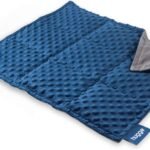
Why it works: Deep pressure stimulates calming parasympathetic responses.
✔ Ideal for homework
✔ Helps with seated focus
3️⃣ Therapy Putty (5 Strengths)
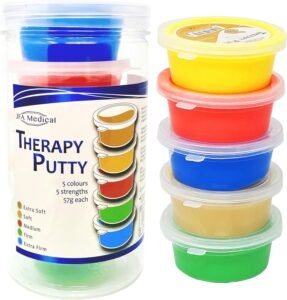
Why it works: Combines tactile + proprioceptive input.
✔ Great for desk work
✔ Quiet classroom tool
2. Vestibular Input (Movement & Balance)
Movement organizes the brain — but must be intentional.
Too much spinning can dysregulate. Rhythmic movement is best.
Examples:
- Swinging
- Jumping on trampoline
- Balance board walking
- Scooter board activities
Best Movement Tools for Home Sensory Diets
1️⃣ Indoor Sensory Swing
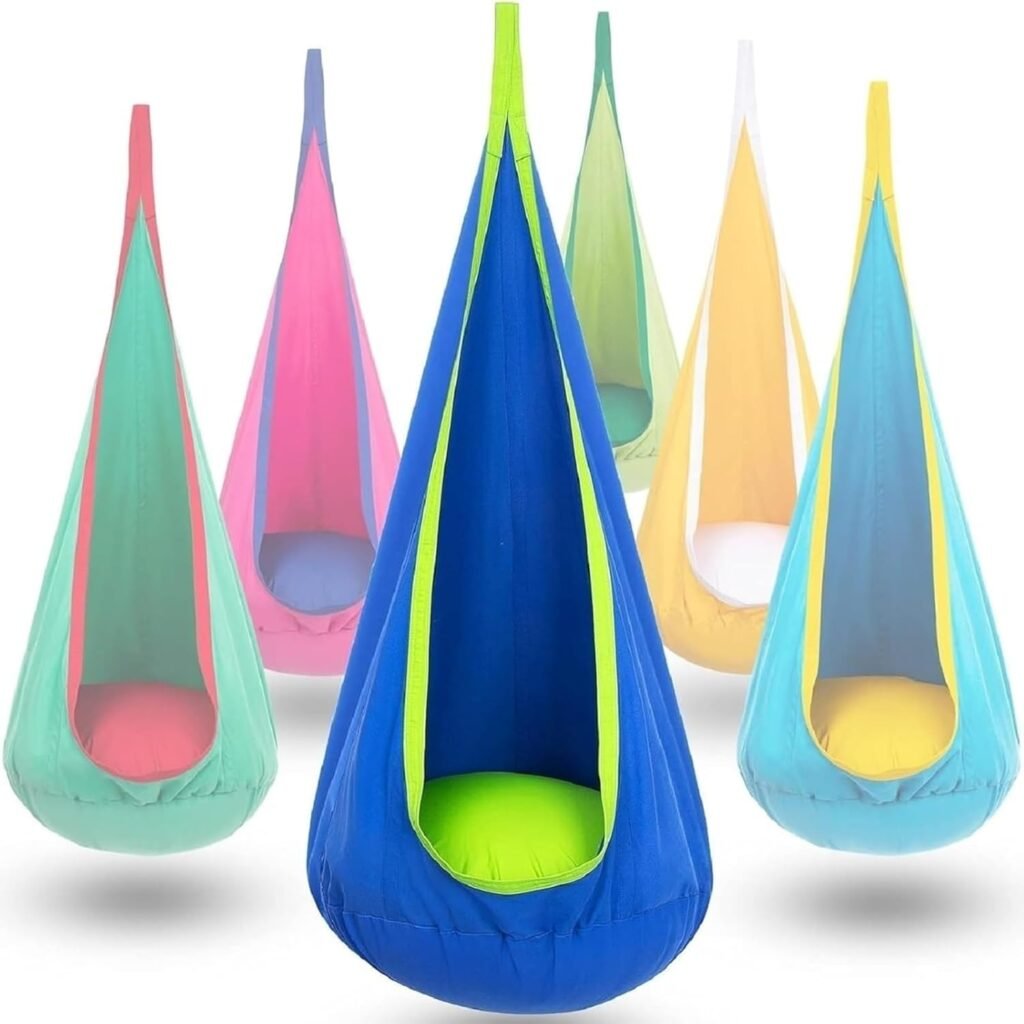
Why it works: Provides vestibular with swinging movement
✔ Cocoon-style hammock design creates a safe enclosed space
✔ Creates safe movement space indoors and cushion provides deep pressure
2️⃣ Mini Trampoline with Handle
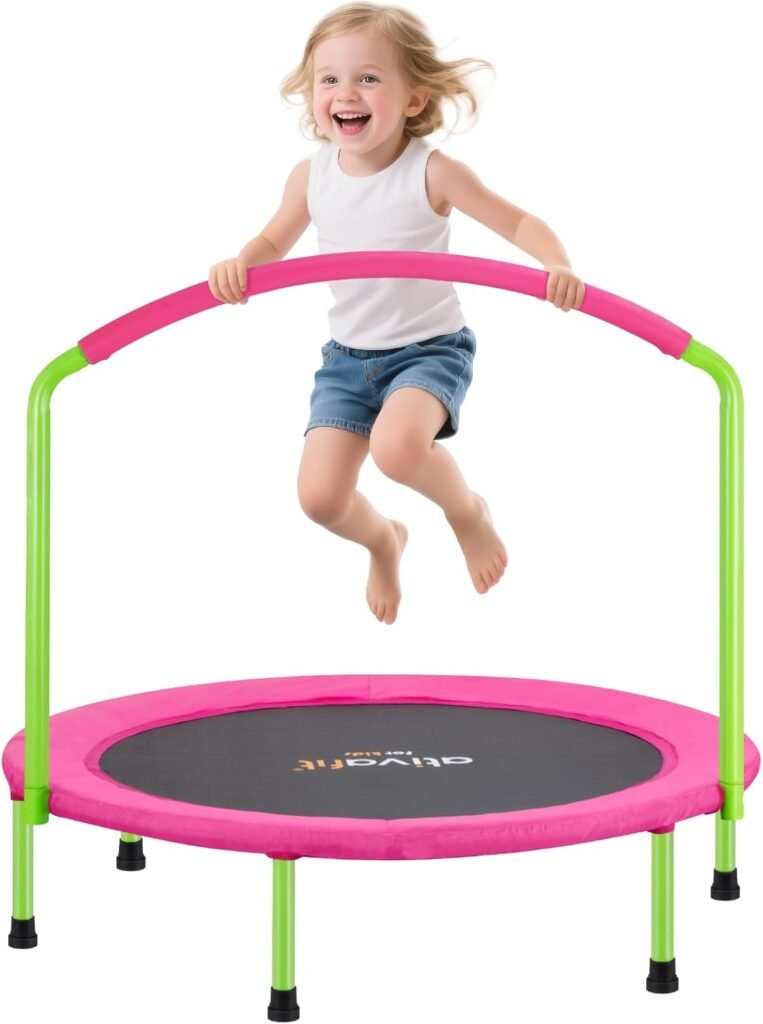
Why it works: Jumping delivers powerful organizing input.
✔ Great before school, helps focus and reset
✔ Padded handle and noise free cover
3️⃣ Wooden Balance Board
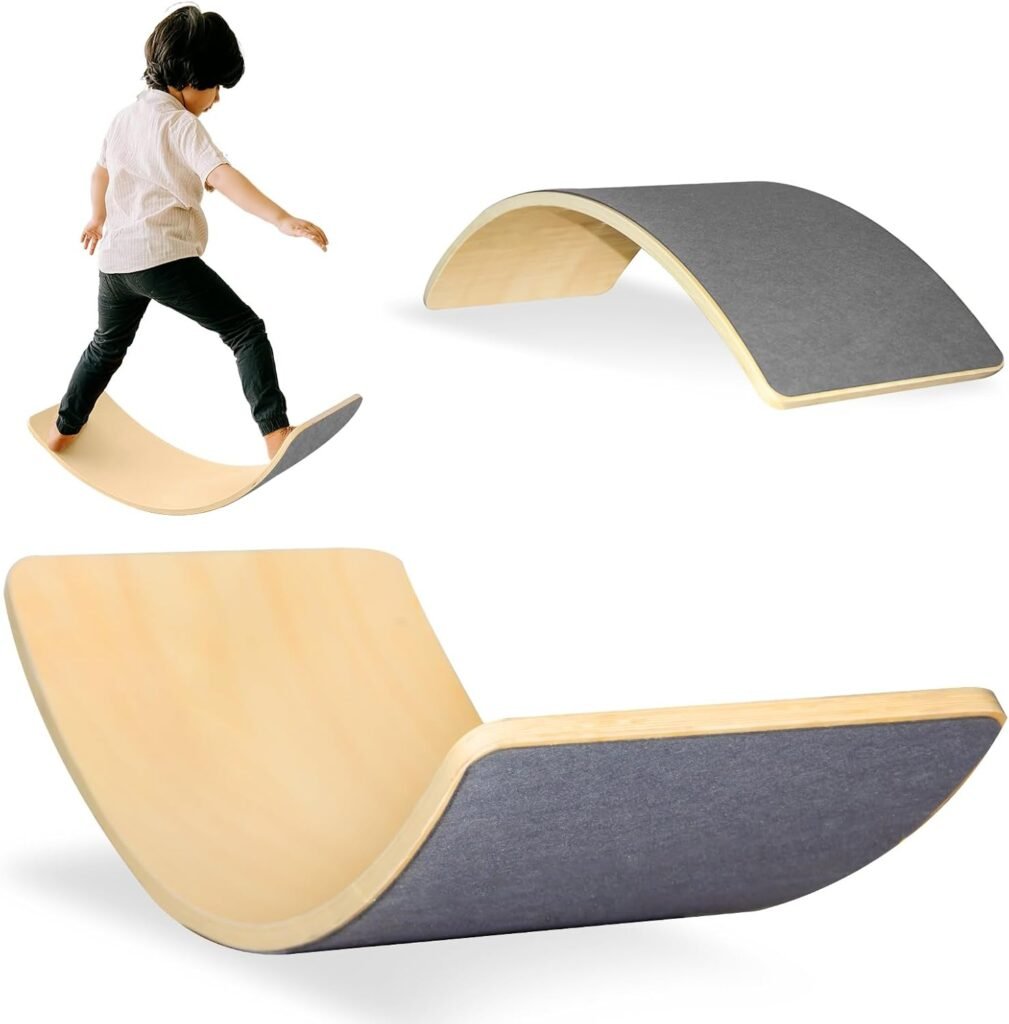
Why it works: Improves coordination + body awareness.
✔ Supports motor planning
✔ Good for small spaces, felt for antislip on bottom
3. Tactile Input (Touch Regulation)
Tactile play helps children process textures and regulate emotional responses.
Examples:
- Sensory bins
- Play dough
- Sand play
- Water beads
Sensory Bin Starter Kit
1️⃣ Large Clear Storage Bin

✔ Durable
✔ Easy to clean
2️⃣ Kinetic Sand
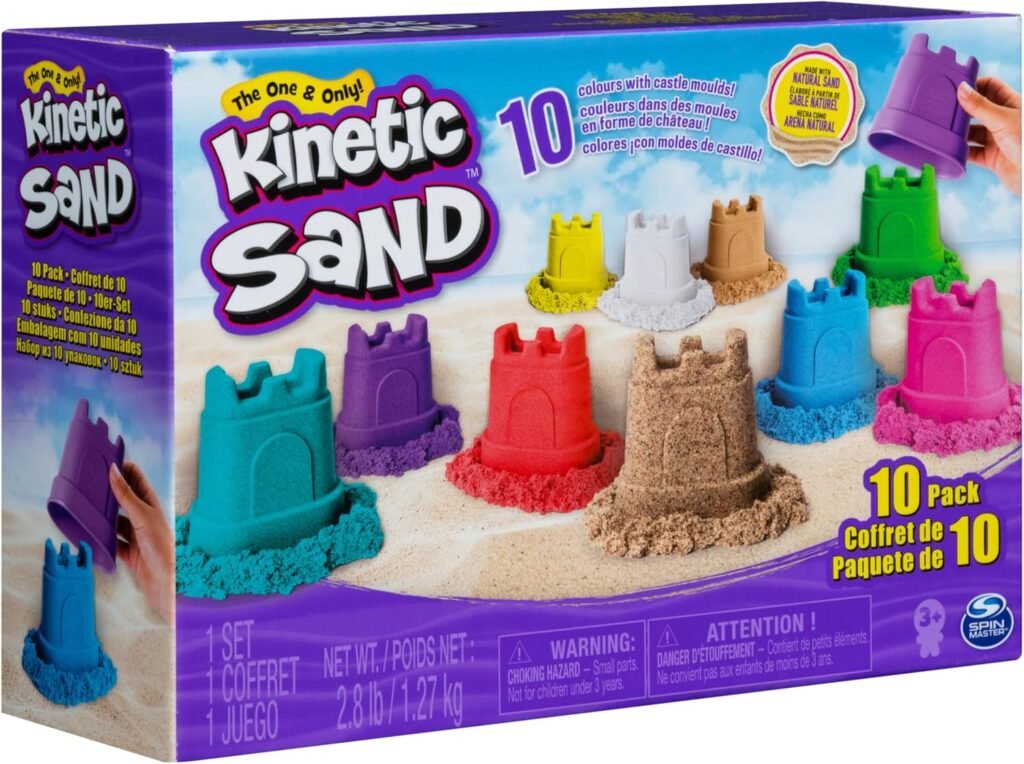
✔ Calming texture
✔ Encourages fine motor skills
3️⃣ Fine Motor Scoops & Tools Set
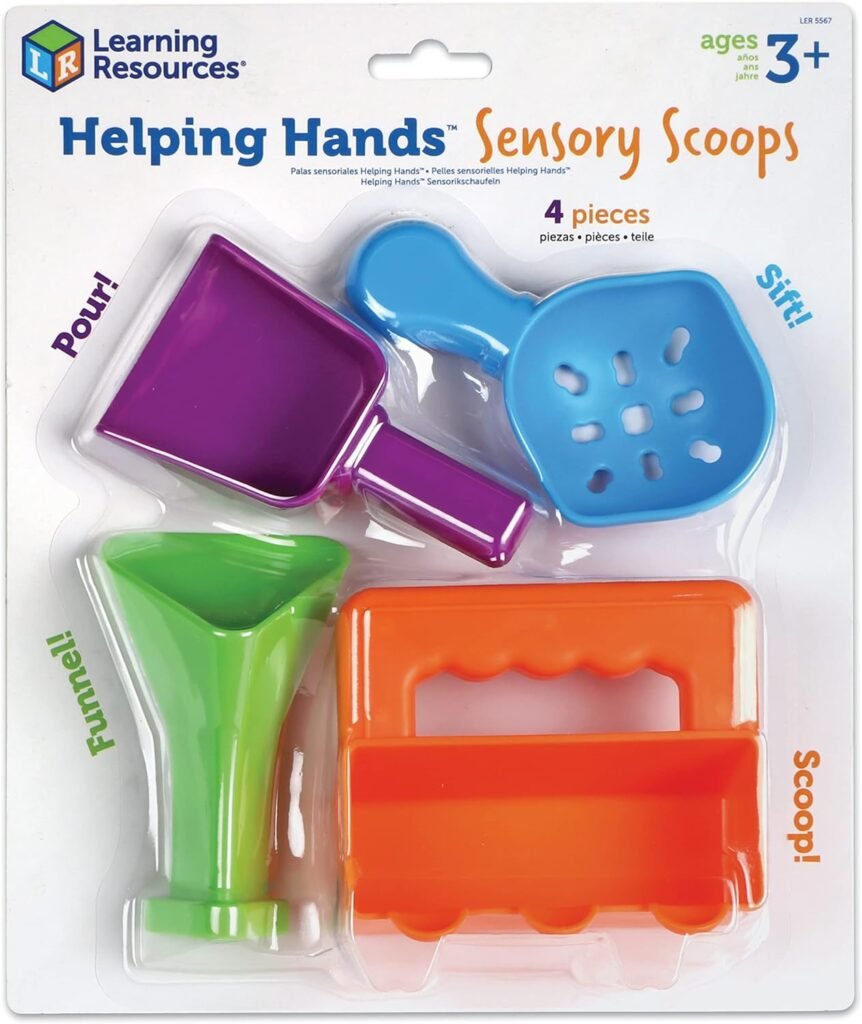
✔ Supports hand strength
✔ Great for preschool
Sample Daily Sensory Diet Schedule
Morning (Before School)
- 10 wall push-ups
- 20 jumping jacks
- Carry backpack
- Resistance band pulls
Goal: Activate body awareness before seated demands.
Mid-Morning Break
- Chair push-ups
- Quick hallway walk
- Therapy putty squeeze
Goal: Prevent dysregulation.
After School
- Trampoline jumping
- Outdoor play
- Help carry groceries
Goal: Release built-up sensory stress.
Evening Regulation Routine
- Warm bath
- Deep pressure massage
- Calm reading time
- Weighted blanket
Bedtime Regulation Toolkit
Weighted Blanket (10% of body weight rule)

✔ Helps improve sleep
✔ Supports anxiety reduction
White Noise Machine
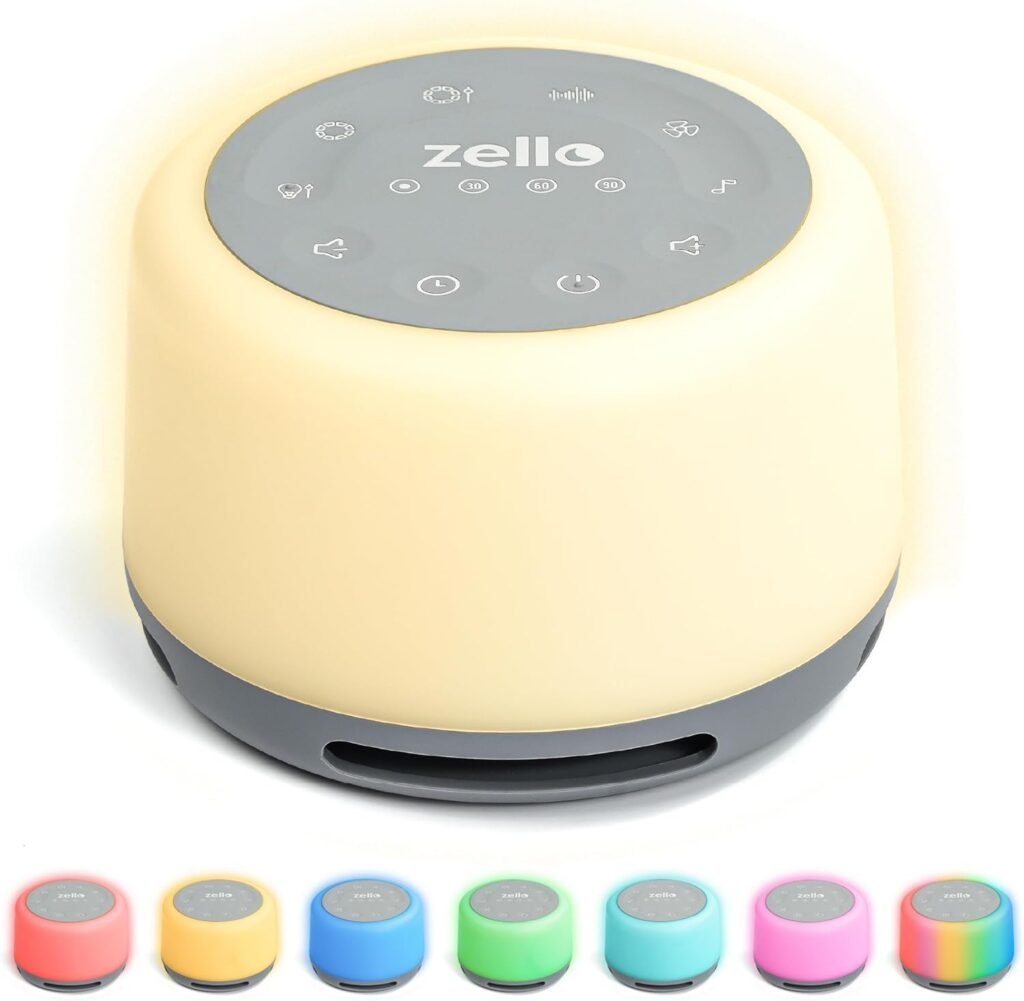
✔ Reduces auditory overload – 30 soothing sounds
✔ Supports deeper sleep
Soft Warm Lamp (Dimmable)
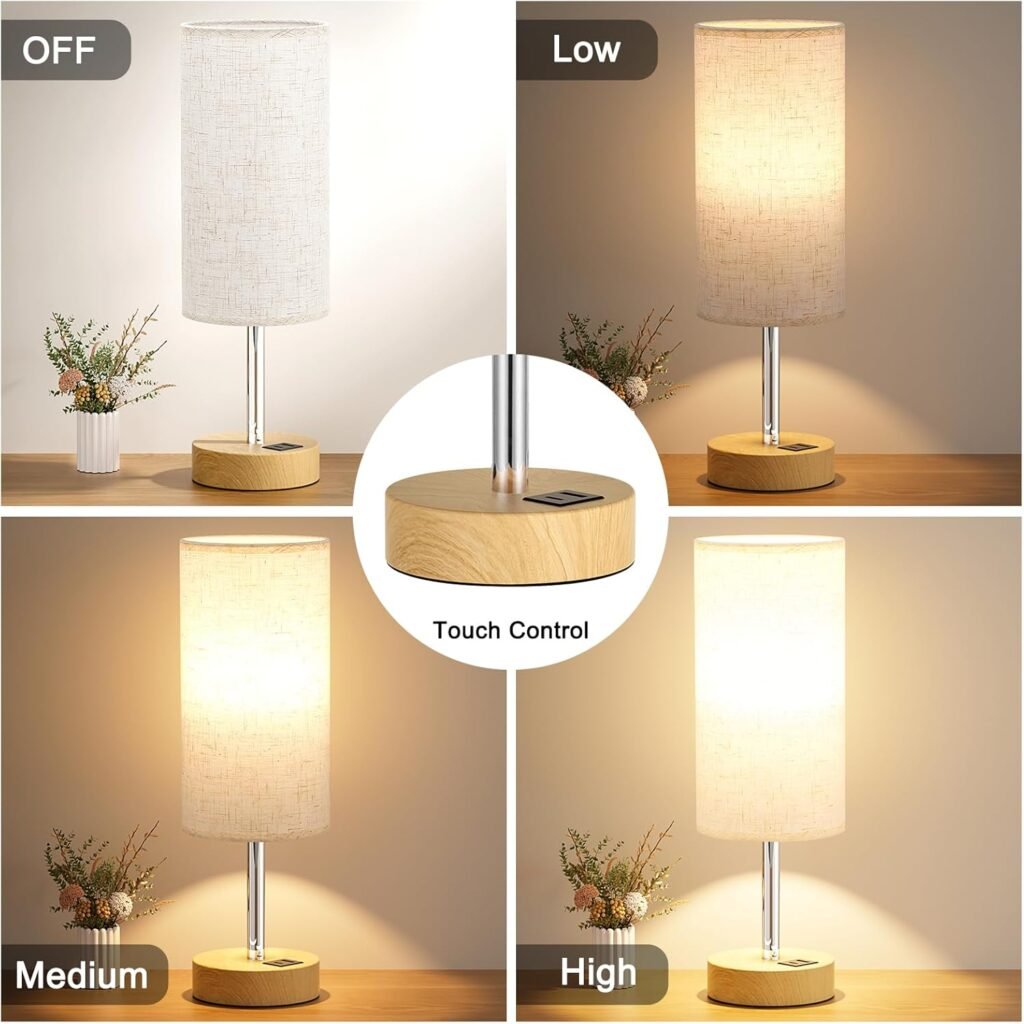
✔ Reduces harsh lighting
✔ Creates calming environment
How to Personalize a Sensory Diet
Step 1: Identify triggers
Step 2: Observe sensory-seeking behaviours
Step 3: Add heavy work first
Step 4: Create predictable routine
Step 5: Consult an occupational therapist
Consistency is key.
Signs a Sensory Diet Is Working
- Fewer meltdowns
- Improved transitions
- Better focus
- Reduced anxiety
- Improved sleep
Progress may take several weeks.
FAQ
What is a sensory diet?
A structured plan of sensory activities that helps regulate the nervous system.
How often should sensory activities be done?
Typically every 2–3 hours throughout the day.
Can I create a sensory diet without an OT?
You can start with general heavy work activities, but professional guidance is ideal.
Do sensory diets help ADHD?
Many children with ADHD benefit from structured proprioceptive input.
As an Amazon Associate, I earn from qualifying purchases. This helps support the content at no additional cost to you.