Best Sensory Therapy Tools for Autism at Home (Parent-Tested & Practical)
If your child struggles with meltdowns in busy stores, refuses certain textures, constantly moves or crashes into furniture, or can’t fall asleep, it’s not bad behavior — it’s sensory regulation.
Autistic children process touch, sound, movement, and other sensory input differently. When their sensory needs aren’t met, stress and overwhelm build quickly. The right sensory therapy tools at home can help:
- Reduce meltdowns
- Improve sleep
- Support focus and learning
- Ease transitions
- Create calmer daily routines
This guide explains why each tool works, who it’s for, and how to use it effectively. It also includes Amazon links to products parents trust, so you can get started right away.
As an Amazon Associate, I earn from qualifying purchases. This comes at no extra cost to you.
Quick Picks: Tools Parents Recommend
If you’re short on time, here’s a summary of the most effective sensory therapy tools:
- Weighted Blanket → Deep pressure calming, bedtime sleep support → View On Amazon
- Compression Sheet → Lighter pressure alternative for sensitive sleepers → View On Amazon
- Sensory Rocking Chair → Provides rhythmic vestibular input for movement seekers → View On Amazon
- Noise-Reducing Headphones → Reduces auditory overload → View On Amazon
- Chew Tool → Oral sensory input for focus and anxiety regulation → View On Amazon
- Body Sock → Provides full-body proprioceptive input → View On Amazon
Each tool is explained in detail below, with educational insights, safety tips, and how to use them effectively.
Understanding Your Child’s Sensory Profile
Before buying sensory products, identify your child’s sensory pattern. Most children fall into one of these categories:
Sensory Seeking
- Craves movement, crashing, spinning, or chewing
- Benefits from high input tools like swings, crash pads, weighted blankets
Sensory Avoiding
- Easily overwhelmed by textures, sound, or movement
- Benefits from gentle calming tools like compression sheets, headphones, low lighting
Mixed Profile
- Shows both seeking and avoiding behaviour
- Requires a combination of tools in a structured sensory diet
Matching tools to your child’s needs is key to success — random purchases rarely help.
1. Weighted Blankets: Deep Pressure Therapy for Autism
Weighted blankets provide deep pressure stimulation, which helps activate the parasympathetic nervous system — your body’s “calm and rest” mode.
Benefits:
- Faster sleep onset
- Reduced night waking
- Less bedtime resistance
- Calmer post-meltdown recovery
How to Choose the Right Blanket:

- Weight ≈ 10% of your child’s body weight
- Evenly stitched pockets (prevent clumping)
- Breathable cotton or bamboo to avoid overheating
- Size that allows freedom of movement without restriction
Who It’s Not For:
- Children who overheat easily – look at the compression sheets below as an alternative
- Very young toddlers (consult professional guidance)
How to Use:
- Bedtime routine
- Quiet reading or calm time
- After school decompression
2. Compression Sheets: Gentle Deep Pressure Alternative
Some children dislike the weight of blankets but still benefit from pressure. Compression sheets wrap snugly around the mattress and provide even, gentle pressure.
Benefits:

- Reduces restlessness
- Less heat than heavy blankets
- Ideal for children sensitive to layers
Best Use:
- Bedtime routine
- Quiet corner decompression
- Nap times
3. Sensory Rocking Chair:
Children who constantly seek movement or crash into furniture often benefit from vestibular input. Sensory rocking chair will provide rhythmic motion, which can:
- Improve body awareness
- Reduce impulsive movement
- Help focus on homework or tasks
Installation Tips:
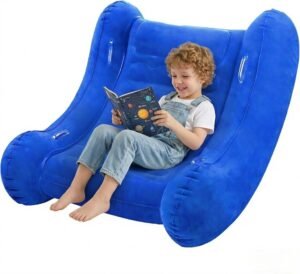
- Easy inflatable design, no anchoring needed
- Follow manufacturer weight limits for durability
- Use durable, high-quality fabric
When to Use:
- After school for decompression
- Before homework for focus
- During structured sensory breaks
4. Noise-Reducing Headphones: Reduce Auditory Overload
Auditory sensitivities are common in autism. Children may melt down in:
- Supermarkets
- Family gatherings
- School assemblies
- Busy environments
Noise-reducing headphones prevent overstimulation before it escalates.
What to Look For
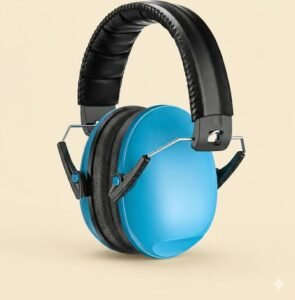
- Real Noise Reduction Rating (NRR)
- Comfortable padding
- Lightweight and adjustable
Best Use:
- Public outings
- Homework in noisy environments
- Family events
- Concerts or firework displays
5. Chew Tools: Oral Sensory Input
Chewing provides calming proprioceptive feedback through the jaw. Safe chew tools help:
- Reduce anxiety
- Replace unsafe chewing (clothing, pencils)
- Improve focus during schoolwork
Choose:
- Medical-grade silicone
- Age-appropriate durability
- Easy to clean
Avoid:
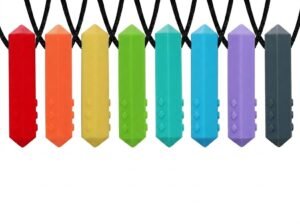
- Hard plastics
- Small detachable parts
Best Use:
- Transitions between activities
- Homework time
- Car rides or public outings
6. Body Socks: Full-Body Proprioception
Often children need full-body input. Body socks are suitable for tactile stimulation, sensory integration, physical boundaries and self-expression.
Body Socks:
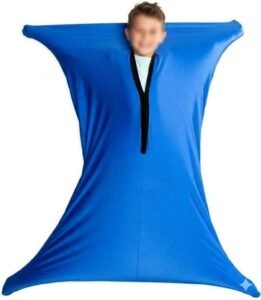
- Stretch fabric for compression and containment
- Calms sensory-seeking children
- Ideal for pre-bed or after-school decompression
Best Use:
- Before bedtime
- Structured sensory breaks
- Indoor play to release energy safely
How to Build a Simple Sensory Diet at Home
A sensory diet is a structured schedule of sensory input, designed to regulate your child’s nervous system throughout the day.
Sample Schedule:
| Time | Activity | Tool |
|---|---|---|
| Morning | Movement | Swing / Jumping / Rocking |
| After School | Deep pressure | Weighted blanket / Body sock |
| Before Homework | Focus reset | Chew tool |
| Evening / Bedtime | Calm wind-down | Compression sheet / Weighted blanket |
| Public Outings | Prevent overload | Headphones |
Tips:
- Be consistent
- Observe how your child responds
- Adjust tools based on need
Common Mistakes Parents Make
- Buying too many tools at once
- Expecting instant results
- Using tools only during meltdowns
- Not matching tools to sensory profile
Key: Use structured routines and observe response before adding new tools.
Do Sensory Therapy Tools Work?
Yes, when used properly.
They don’t cure autism, but they:
- Improve regulation
- Reduce environmental stress
- Enhance focus and sleep
- Provide predictable routines
Occupational therapists frequently recommend weighted blankets, rockers, and other tools as part of home sensory strategies.
Start Small, Track Results
- Choose one deep pressure tool (weighted blanket or compression sheet)
- Choose one movement tool (swing or crash pad)
- Optional: auditory support (headphones)
Track:
- Meltdowns
- Sleep quality
- Focus during homework
- Ease of transitions
Small changes compound into big improvements.
Final Thoughts
The best sensory therapy tools for autism at home are evidence-based, safety-conscious, and matched to your child’s needs.
Focus on:
- Understanding your child’s sensory profile
- Choosing tools that match their needs
- Implementing structured sensory routines
Start with one or two tools, observe, and add more if needed. With consistent use, you’ll see calmer, happier days — and nights.
If you have experience with this product or similar therapy aids, feel free to share below. For specific medical advice, please consult a qualified professional.